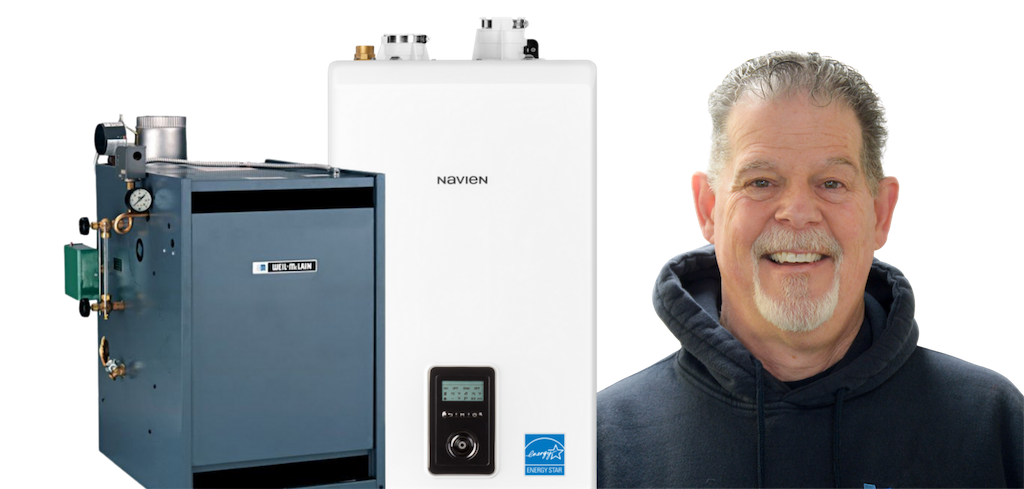
Which Boiler Brand Is Right for You?
December 18, 2025
When temperatures drop in Massachusetts, your heating system starts putting in longer hours. And while most homeowners are thinking about staying warm, it's just as important to make sure their heating equipment is operating safely. Winter brings increased risks associated with home heating, including carbon monoxide exposure, blocked exhaust vents, and fire hazards. Taking a few precautions before the coldest weather arrives can help keep your family safe, your home comfortable, and your heating bills under control. Here are some important heating safety and efficiency tips to keep in mind as winter approaches.
Key Takeaways
- Have your furnace or boiler serviced once a year, ideally in early fall.
- Install carbon monoxide alarms on every level of your home and near bedrooms, and replace them when they expire. verify MA rule
- Clear snow and ice from exterior vents after every storm, including nor'easters.
- Keep space heaters at least three feet from anything flammable and never run them while you sleep.
- If a CO alarm sounds, get outside and call 911.
1. Make Carbon Monoxide Safety a Priority
Carbon monoxide (CO) is an odorless, colorless gas that can be produced by fuel-burning heating equipment, including gas and oil furnaces and boilers. If equipment malfunctions or isn't properly vented, carbon monoxide can build up inside your home. To help protect your household:
- Test your carbon monoxide detectors. Make sure they're working properly and installed on every level of your home, including near sleeping areas, in accordance with Massachusetts requirements.
- Schedule regular heating maintenance. A professional can inspect fuel-burning equipment for problems that could affect safe operation.
- Never ignore warning signs. Soot buildup, unusual odors, or visible damage around heating equipment should be checked by a professional.
If a carbon monoxide alarm sounds, leave your home immediately and call 911 from outside. Don't re-enter until emergency responders say it's safe.
2. Keep Heating Equipment and Exhaust Vents Clear
Your heating system needs proper airflow and ventilation to operate safely. Blocked vents or combustible materials stored too close to heating equipment can create dangerous conditions.
Keep boxes, cleaning supplies, and other flammable materials away from furnaces, boilers, and other heating appliances.
If your heating system vents through an exterior wall, check that the intake and exhaust openings remain clear, especially after heavy snowfall. Snow and ice can block these openings and interfere with safe operation.
Never attempt to operate heating equipment with a blocked exhaust vent. If you suspect a blockage, shut the system down and contact a professional.
3. Be Careful with Space Heaters and Supplemental Heat
Portable space heaters can provide extra warmth in colder rooms, but they also introduce fire risks when used improperly.
If you're using a space heater this winter:
- Keep it at least three feet away from curtains, furniture, bedding, and other combustible materials.
- Plug it directly into a wall outlet, never an extension cord or power strip.
- Turn it off when leaving the room or going to sleep.
- Place it on a stable, level surface away from children and pets.
Never use an oven, outdoor grill, or portable generator to heat your home. These can create serious fire and carbon monoxide hazards.
4. Don't Ignore Signs That Your Heating System Needs Attention
A heating system that isn't operating properly can become more than an inconvenience. Certain problems may indicate an underlying safety issue.
Pay attention to unusual noises, persistent odors, soot around equipment, or a system that repeatedly shuts down. If you smell gas, leave the building immediately and contact your gas utility or 911 from a safe location. Don't operate electrical switches or attempt to locate the leak yourself.
For other unusual symptoms, contact a heating professional rather than attempting repairs on your own. Addressing problems early can help prevent more serious issues as temperatures continue to fall.
5. Schedule Heating Maintenance
Before the coldest weather arrives, one of the best ways to support both heating safety and efficiency is through regular professional maintenance.
A heating technician can inspect critical components, check system operation, and identify potential concerns before they become larger problems. For fuel-burning systems, maintenance can also include checking combustion and venting performance. A properly maintained heating system is also better positioned to operate efficiently, helping reduce unnecessary energy use and wear on equipment throughout the winter.
6. Improve Efficiency Without Sacrificing Comfort
Keeping your heating system safe is the first priority, but there are also some easy ways to keep heating costs down this winter.
- Keep filters and vents clear. Replace dirty filters in forced-air systems according to manufacturer recommendations, and avoid blocking vents or radiators with furniture.
- Use your thermostat wisely. A programmable or smart thermostat can help manage heating schedules and reduce unnecessary energy use. If you have a heat pump, ask about appropriate temperature settings, since large setbacks aren't always beneficial.
- Reduce drafts and heat loss. Check weatherstripping around doors and windows, seal accessible air leaks, and close curtains at night to help retain warmth.
These steps can make your home more comfortable while reducing the workload on your heating system. As winter approaches, taking a few precautions can make a big difference. From testing carbon monoxide detectors and keeping vents clear to scheduling professional maintenance, preparing your heating system now can help protect your home and family throughout the colder months.
Schedule Your Pre-Winter Heating Tune-Up
Our licensed technicians keep Massachusetts homes safe and warm all winter. Book your furnace or boiler service before the first nor'easter.